
The Narrator’s Artistic Relation to Memory
Wann wird es endlich wieder so, wie es nie warThis flow traces how Joachim(Jocki) learns to use stories, images, and repeated details to approach experiences that ordinary explanation cannot contain.
increasing Bearing strength in each event
 decreasing
Bearing strength in each eventdecreasingA Child Makes a Plot
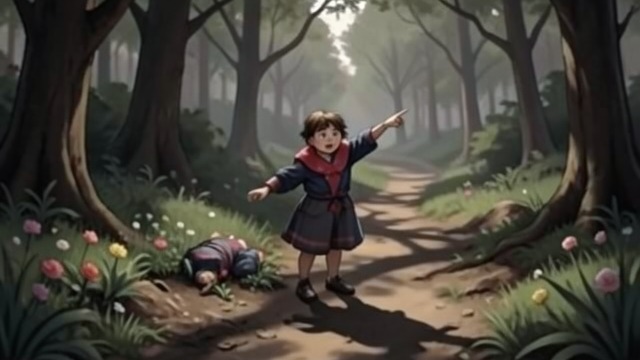
A Child Makes a Plot
Turning Experience into Story
Joachim(Jocki) builds suspense around the shortcut, the lost garden path, and the body in the flowers. He changes the story to hold listeners’ attention.
Responsibility to the Tale
He comes to feel that the unusual event deserves adornment. The story’s demands begin to shape what he remembers about the event itself.
Drawing Inner Worlds
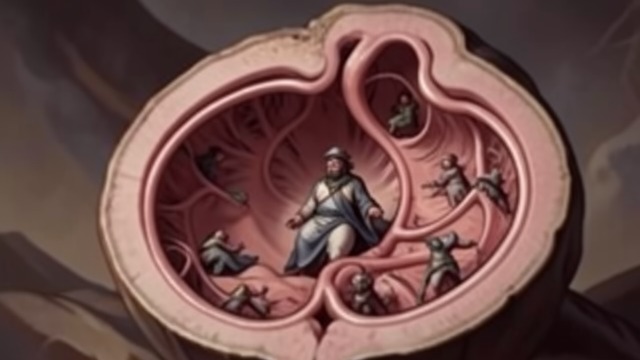
Drawing Inner Worlds
Images of the Cat
Ferdinand’s cross-section cat drawings contain tunnels, weather, and tiny people. Their impossible anatomy turns private mental life into a visible landscape.
An Unanswered Figure
One person remains intact in each cat’s digestive system. Joachim(Jocki) wonders whether it might represent Ferdinand or himself, leaving the image open to interpretation.
Colors Link Separate Scenes
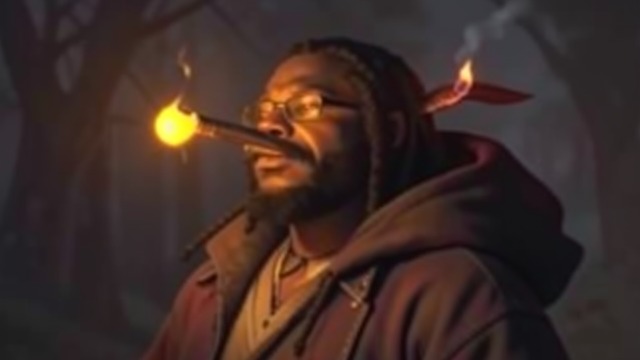
Colors Link Separate Scenes
Repeated Yellow-Orange
The same color appears in the bird’s beak, the cigarette ember, the egg yolk, and later sensory images. Joachim(Jocki) notices the recurrence without knowing its cause.
Pattern as Form
Color connects scenes through memory rather than through a stated explanation. The memoir lets sensory echoes do interpretive work.
The Brother’s Secret Apartment
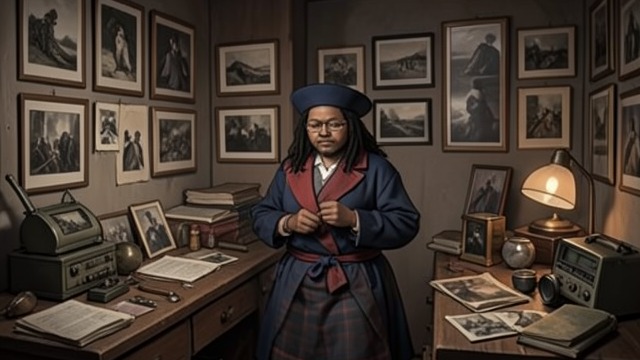
The Brother’s Secret Apartment
New Evidence
The sons find photographs and possessions that reveal a private life Hermann kept beyond the family’s knowledge. The discovery changes the meaning of earlier memories.
Reconsideration
Joachim(Jocki) sees that recollection must make room for facts that arrive late. The past is not fixed simply because the people who could explain it are gone.
A Future Made Uncertain
A Future Made Uncertain
Reworking the Past
Joachim(Jocki) proposes unpacking and reshaping remembered experiences rather than treating them as secure packages. Stories give the dead more independent, complicated lives.
Openness
When the past is accepted as disorderly, the future need not be a line already determined. The act of narration becomes a way to make space for choices.
After finding the dead man
During childhood friendship with Ferdinand
Across the birthday morning and later memories
After Hermann’s death
In the memoir’s closing reflection
